Running a Business While Managing Chronic Illness

Running a business is challenging. Running a business while managing a chronic illness? That’s an entirely different game. For International Women’s Day 2025, we hosted a powerful panel discussion with five incredible entrepreneurs who have built sustainable businesses—on their terms.
In this blog, we’ll break down the key insights, strategies, and must-know tips shared by our panelists on navigating business with chronic illness, setting boundaries, pricing for your energy, and avoiding burnout.
Why This Conversation Matters
According to the UK Government, women make up over 32% of business owners, yet they face significant barriers—including health-related challenges that impact how they work, earn, and grow. Studies show that one in five UK adults lives with a disability or chronic illness, yet entrepreneurship remains largely designed for a neurotypical, able-bodied workforce.
For International Women’s Day 2025, themed “Inspire Inclusion”, we brought together a panel of trailblazing entrepreneurs to share how they’ve built businesses that work for their bodies and minds.
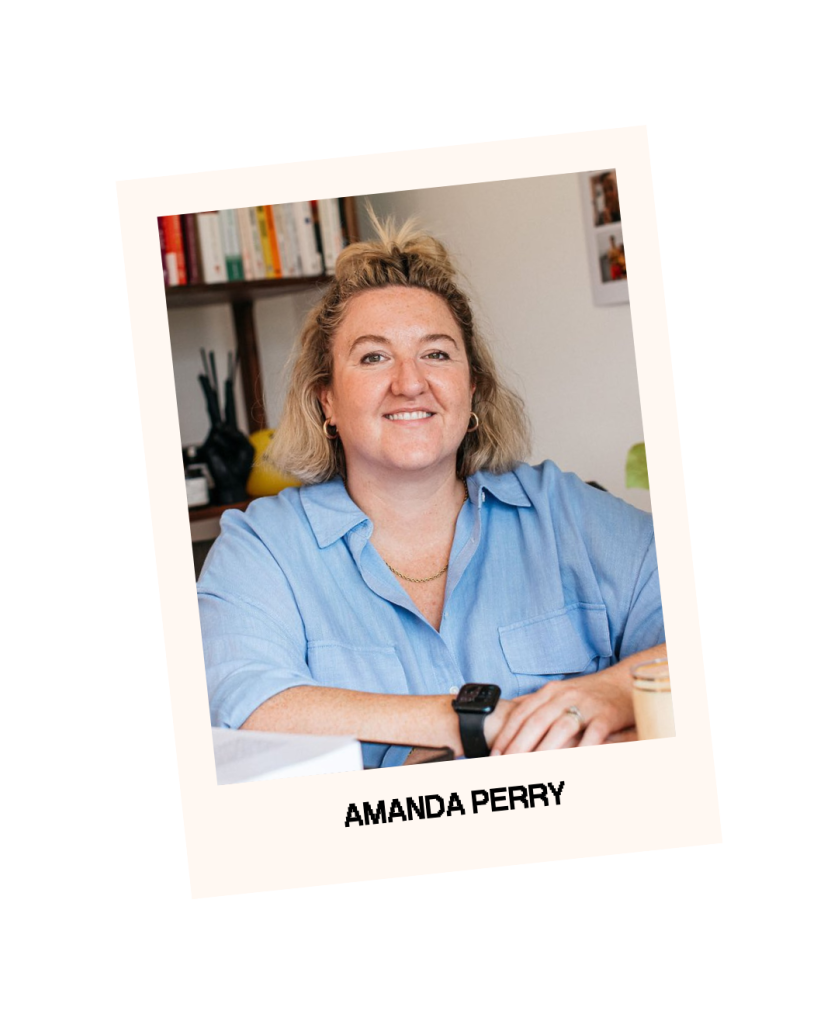
AMANDA PERRY
MENTOR | COACH | SPEAKER | AUTHOR
Late diagnosed, high-achiever ADHD business owner seeks similar to spend time with making business fun again, growing revenue and reminding you who the f*ck you are.
Connect with Amanda here 🔗
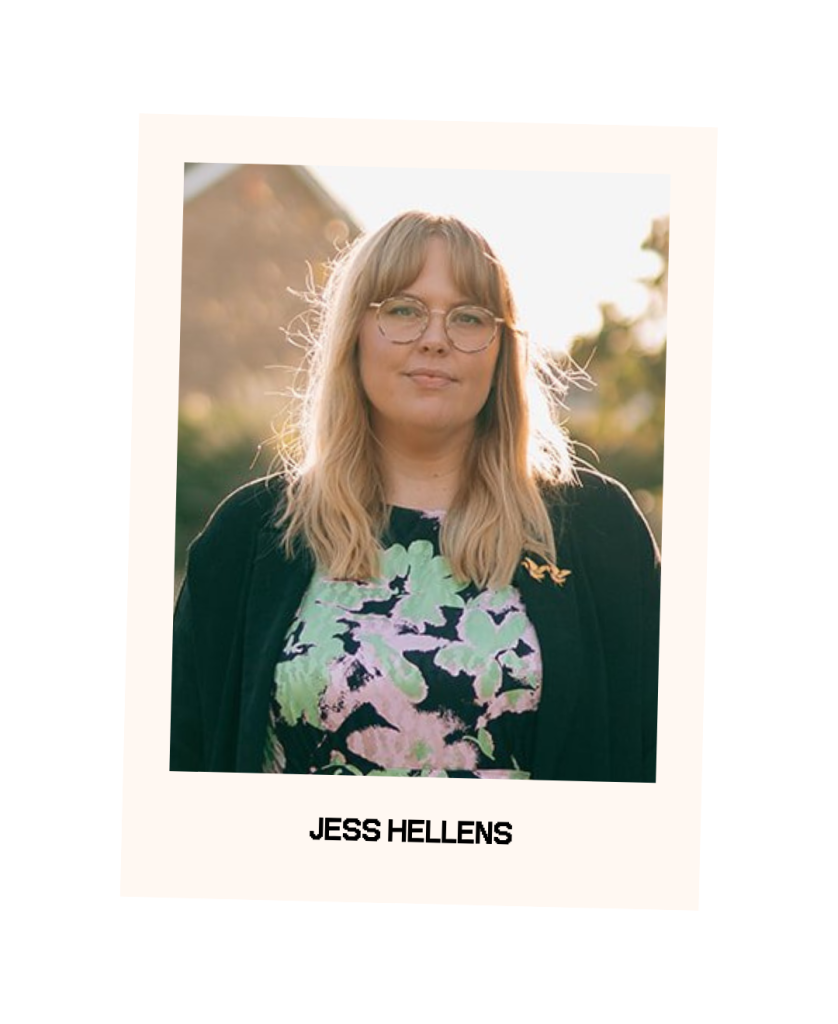
JESS HELLENS
Founder at Wild Coworking | UN Women UK Delegate | On a mission to change the business landscape for women and non-binary people
Entrepreneur and Creative Communications Consultant with a particular focus on closing the gender gap equivalent of 1.1million missing businesses due to only 1 in 3 entrepreneurs being a woman. UN Women UK delegate.
Find out more about Jess here 🔗
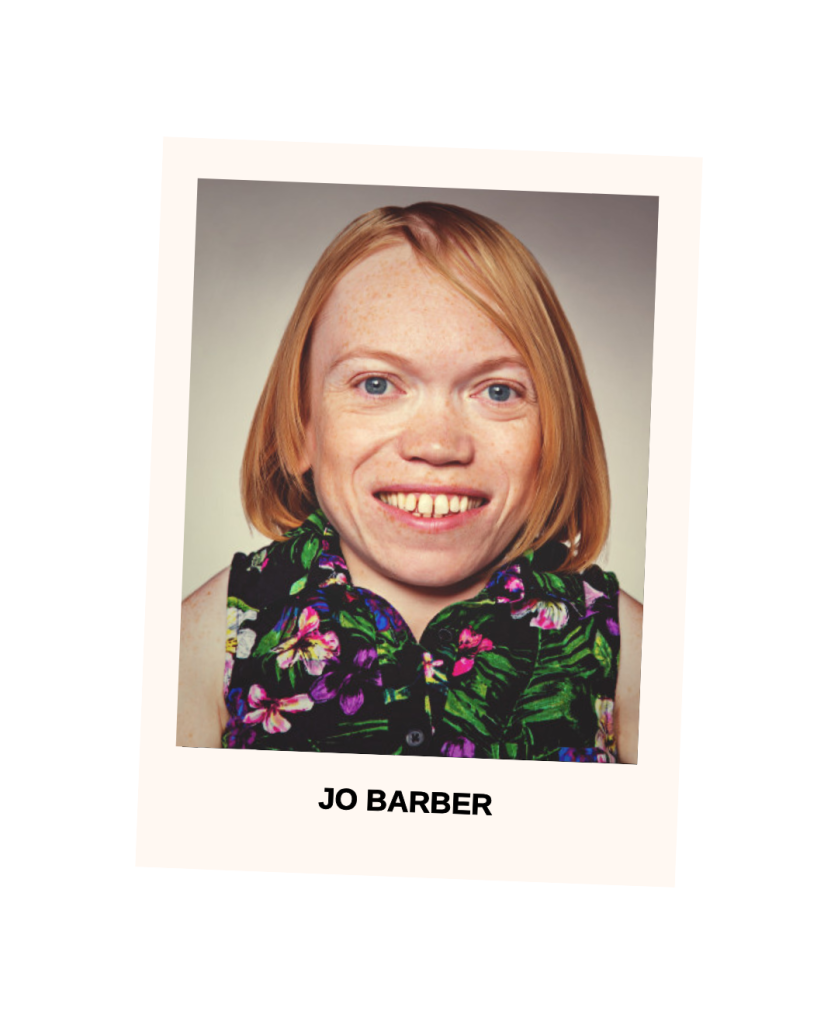
JO BARBER
Social Media Manager
Your customers won’t be your website everyday, but they will be on their social media. Save time on that by outsourcing to me so you can get on with your creations and I can encourage people to buy from you. My Route To The Sale offer is ideal for those who can’t commit to a retainer – 5 posts created to promote your end goal such as a new product launch or workshop.
Work with Jo here 🔗
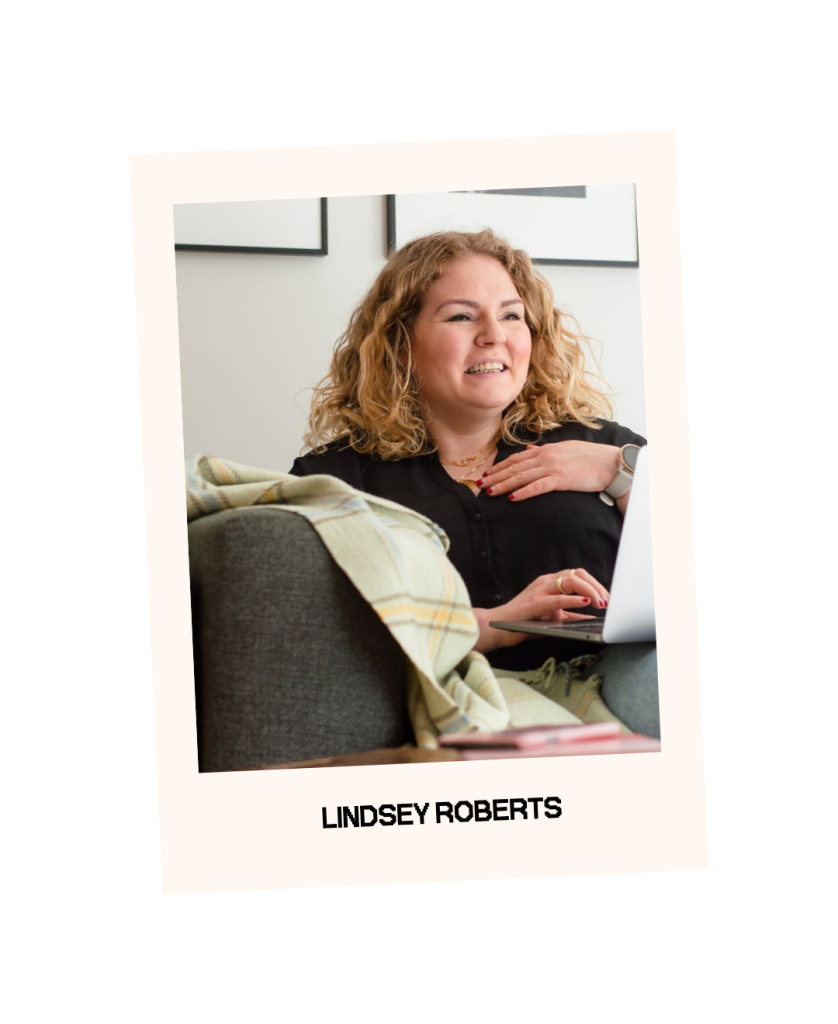
LINDSEY ROBERTS
Coach for Corporate Millennials | Preventing Burnout | Founder of Goal Digger Coaching
We believe feeling overwhelmed, frazzled and on the way to burnout has been the norm for far too long for too many people. We’re on a mission to help change that.
Connect with Lindsey here 🔗

MAY JAMES
Scaling Expert | Strategy Consultant & Coach
I make your entrepreneurial journey a lot smoother, saving
you a lot of time and money. As a business, our aim is to get you making the money you want, quicker, in a sustainable, stress free way. I (May), work with you 1:1 to your specific needs. This unique way of working gives you, our client a deeper client experience and allows you to see results faster.
Learn more about May here 🔗

Diagnosis Does Not Define Success
Every panelist had a different story, some started their businesses because of their diagnosis, while others had to adjust their businesses after. The common thread? They built businesses that work for them.
- May James shared how she launched her first business from bed while managing ME/CFS. She later pivoted to a strategy-focused role to support others in building sustainable businesses.
- Amanda Perry realised her ADHD diagnosis explained years of burnout. She transformed her business model from a fast-growing agency to a lean, profitable coaching practice that worked for her brain.
- Jo Barber started her social media business after experiencing workplace discrimination, proving that self-employment can be an empowering option for those navigating accessibility barriers.
Pricing & Boundaries
One of the biggest struggles for women in business—especially those managing a chronic illness—is pricing. Many of us feel pressured to undercharge, overdeliver, and work beyond our capacity.
Amanda Perry: “Instead of charging for your time, charge for your energy. Look at how much energy you actually have available—not just hours—and price your offers accordingly.”
May James: “Reverse-engineer your pricing based on what your body and mind can handle. My business operates on a 4:3:1 model—four weeks in a month, three for work, one for rest. This ensures I’m never running on empty.”
Ask yourself: What is enough for you? What kind of pricing model allows you to work AND rest sustainably?
Saying NO Without Guilt
As business owners, we often feel pressure to say yes to every opportunity. But saying yes to everything means saying no to your well-being.
Lindsey Roberts: “When an opportunity comes up, ask yourself: ‘If I say yes to this, what am I saying no to?’”
Jo Barber: “If you can’t do something, offer an alternative. Can you contribute virtually? Can you connect them with someone else?”
Building strong boundaries isn’t about shutting down opportunities—it’s about ensuring you have the capacity to say yes to the right ones.
Redefining Rest
Rest doesn’t just mean lying down. Rest is an active strategy.
Jess Hellens: “Rest for me isn’t lying in bed—it’s painting in my studio, switching my phone to airplane mode, and creating space away from notifications.”
May James: “I run my business on a 4:3:1 system—one week off per month built into my business model to prevent burnout before it happens.”
Rest isn’t a luxury. It’s a non-negotiable business strategy.

The Future of Entrepreneurship & Chronic Illness
This conversation is just the beginning. Women with chronic illnesses are building powerful, profitable businesses—but the conversation around accessibility in entrepreneurship is still evolving.
If you take one thing from this panel, let it be this: You get to define success on your own terms. Your energy is valuable, your boundaries are necessary, and your business should work for YOU—not the other way around.
Want to Be Notified of More Conversations Like This?
Sign up for my newsletter and be the first to hear about upcoming panels, workshops, and exclusive business-building insights. Subscribe here!